
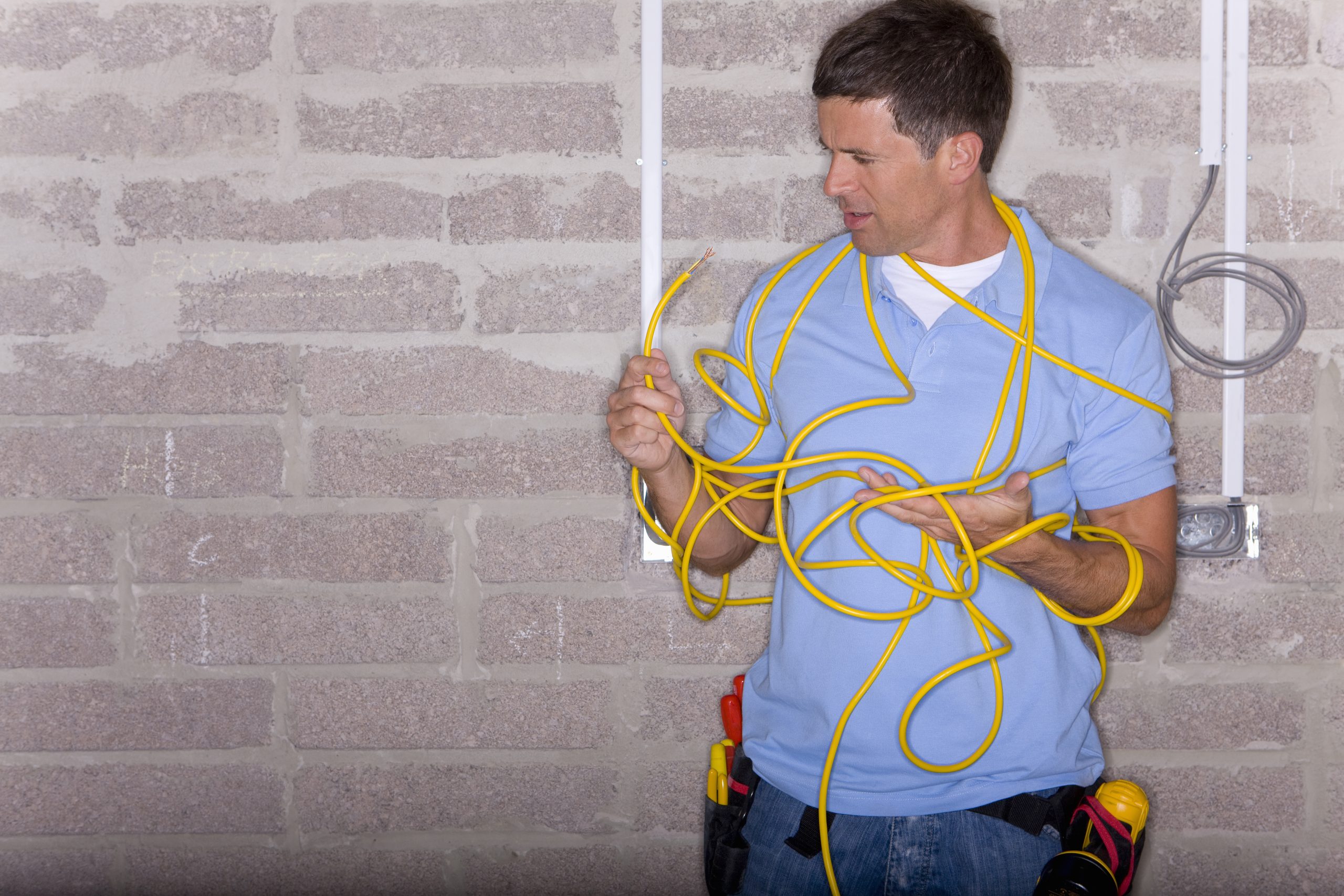
Electrical problems do not always begin with a complete power outage. More often, they appear as small annoyances: a breaker that occasionally trips, lights that flicker or an outlet that feels warmer than expected.
Some of these issues have simple explanations. Others can indicate overloaded circuits, loose connections, damaged equipment or an electrical system that no longer meets the needs of the property.
Knowing when to call a licensed electrician can help you address problems before they become more disruptive or expensive. Here are seven warning signs Regina homeowners and property managers should not ignore.
1. Your breakers trip repeatedly
A circuit breaker is designed to interrupt power when it detects an unsafe condition. One isolated trip may result from using several high-demand appliances at the same time. A breaker that trips repeatedly deserves further investigation.
Common causes include:
- An overloaded circuit
- A short circuit
- A ground fault
- Damaged wiring or equipment
- A breaker that needs to be assessed or replaced
Do not repeatedly reset a breaker without determining why it is tripping. An electrician can test the circuit, identify the underlying problem and recommend an appropriate repair.
2. Your lights flicker or dim
Occasional flickering from a single lamp could be caused by a loose bulb or failing fixture. Flickering throughout the house, or lights that dim when appliances start—can indicate a larger electrical issue.
Possible causes include loose connections, voltage fluctuations, overloaded circuits or larger equipment sharing a circuit that was not designed for the demand.
Make note of when the flickering occurs and which rooms are affected. This information can help your electrician diagnose the problem more efficiently.
3. An outlet, switch or electrical panel feels warm
Electrical devices may generate a small amount of heat during normal operation, but outlets, switches and panels should not feel noticeably hot.
Discolouration, a burning smell, buzzing or crackling sounds are additional warning signs. If you notice any of these conditions, stop using the affected device or circuit when it is safe to do so and arrange for an electrical inspection.
Heat can result from a loose connection, damaged device or overloaded circuit. These problems should be addressed promptly rather than monitored indefinitely.
4. You rely heavily on extension cords or power bars
Extension cords are useful for temporary applications, but they are not a permanent substitute for properly located receptacles.
If your home or business depends on extension cords every day, the existing electrical layout may no longer match how the space is being used. This is particularly common in older homes, renovated basements, home offices and commercial spaces where new equipment has been added over time.
An electrician can evaluate the available circuits and determine whether additional receptacles or dedicated circuits would provide a safer and more convenient solution.
5. Your electrical panel is running out of capacity
Modern homes often use more electrical equipment than their original systems were designed to support. Air conditioning, electric heating, basement suites, hot tubs, workshops, EV chargers and renovated kitchens can all increase demand.
Signs that your panel may need professional assessment include:
- No suitable breaker spaces for planned additions
- Frequent breaker trips
- Multiple large electrical loads being added
- An older or visibly deteriorated panel
- Renovation plans that will substantially change electrical demand
Running out of spaces does not automatically mean that the entire service must be upgraded. A licensed electrician can review the panel, existing loads and future plans before recommending the right solution.
6. You are planning a renovation or basement suite
Electrical planning should happen near the beginning of a renovation, not after the walls are closed.
Legal basement suites, kitchen renovations, additions and commercial improvements may require new circuits, service calculations, permits, inspections and coordination with other trades. Early planning helps prevent changes, delays and unnecessary rework later in the project.
Before construction begins, confirm:
- Where receptacles, switches and fixtures will be located
- Which appliances require dedicated circuits
- Whether the existing service has enough capacity
- Who is responsible for permits and inspections
- How the electrical work will coordinate with framing, plumbing and mechanical systems
A clear electrical scope also makes contractor estimates easier to compare.
7. You are unsure whether previous work was completed correctly
Not every electrical issue is immediately visible. Unlabelled circuits, open junction boxes, improvised connections and undocumented renovations can create uncertainty for a new property owner.
If you recently purchased a home, are taking over an unfinished renovation or have concerns about previous work, an electrical assessment can provide a clearer picture of the system’s condition.
The goal is not to replace everything unnecessarily. A professional inspection should identify actual concerns, prioritize repairs and explain which items require immediate attention versus future planning.
When should you treat an electrical problem as urgent?
Contact an electrician promptly if you notice:
- Smoke, sparks or a persistent burning smell
- Buzzing or arcing from electrical equipment
- A hot or discoloured outlet, switch or panel
- Exposed or damaged energized wiring
- Water entering electrical equipment
- Repeated loss of power without an obvious cause
If there is an active fire, leave the area and contact emergency services. Do not touch damaged equipment or attempt electrical repairs unless you are qualified to do so.
Get clear answers before the problem grows
Small electrical symptoms can be easy to dismiss, but they often provide the earliest opportunity to correct a problem.
WAIMEA provides residential and commercial electrical services in Regina and surrounding communities. Our team can troubleshoot electrical problems, assess panels and service capacity, plan renovation wiring and complete permitted electrical improvements.
If something does not look, sound or operate correctly, contact WAIMEA to arrange an assessment.
Need an electrician in Regina? Contact WAIMEA for a clear assessment and practical next steps.