
When homeowners contact us about adding an EV charger, hot tub, air conditioner or basement suite, one of the first questions is usually the same:
“Do I need to upgrade to a 200 amp service?”
Sometimes the answer is yes. Sometimes the existing service can support the planned work. In other situations, there may be a more practical option than replacing the entire service.
The correct answer should come from reviewing the property, the existing electrical system and the equipment being added. It should not come from guessing based only on the age of the panel.
What is an electrical service?
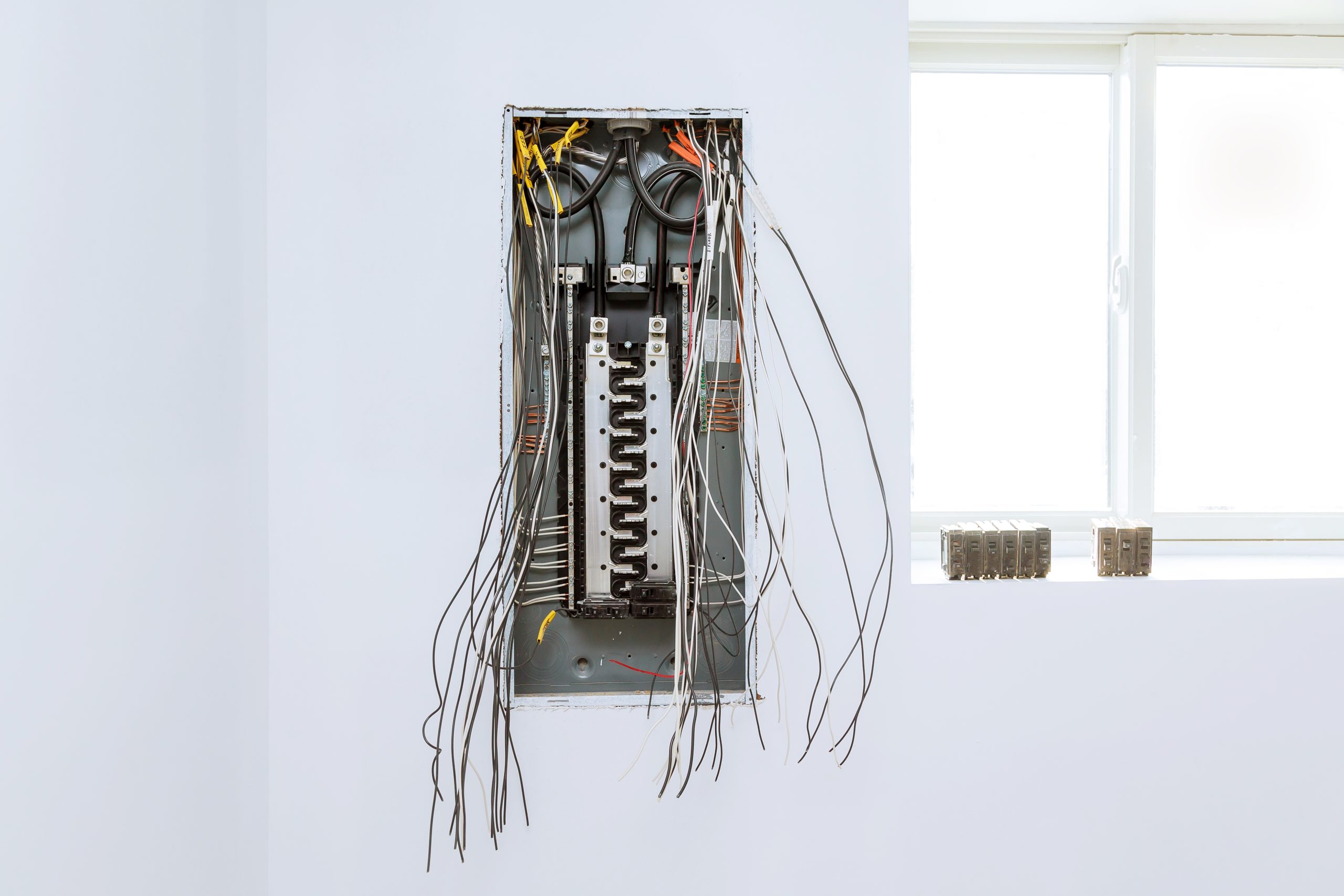
Your electrical service is the connection between the utility supply and your home’s electrical system. It includes equipment such as the service conductors, meter socket, main disconnect and electrical panel.
A typical home may have a 60, 100, 125, 150 or 200 amp service, depending on its age, size, heating system and original design.
The service rating is not the same as the number of available breaker spaces. A panel can run out of physical spaces even when the calculated electrical demand remains within the service capacity. The opposite can also happen. A panel may have open spaces while the service does not have enough capacity for another major load.
That is why simply looking inside the panel does not provide the full answer.
When might a 200 amp upgrade be needed?
A service upgrade may be appropriate when adding one or more significant electrical loads, including:
- An electric vehicle charger
- A hot tub or swimming pool
- Electric heat
- Central air conditioning or a heat pump
- A basement suite
- A larger electric range or other high-demand appliance
- A workshop with larger equipment
- An addition or major renovation
A service upgrade may also be considered when the existing service equipment is damaged, outdated, undersized or no longer suitable for the planned use of the property.
None of these additions automatically mean that a 200 amp service is required. The total expected demand needs to be assessed.
Why a load calculation matters
Electrical services are not sized by adding together every breaker rating in the panel. If that were the case, nearly every home would appear overloaded.
A proper load calculation considers the size and use of the building, major electrical equipment and the way different loads are expected to operate. This provides a much more accurate picture of the property’s actual requirements.
For example, adding a Level 2 EV charger to a 100 amp service may require an upgrade, but it may also be possible to use approved energy-management equipment that controls when the charger operates. The right solution depends on the existing service, the charger, other electrical loads and the installation conditions.
The goal should be to install a system that is safe, compliant and suitable for the owner’s future plans without replacing equipment unnecessarily.
A panel replacement and a service upgrade are not always the same job
These terms are often used interchangeably, but they can describe different scopes of work.
A panel replacement may involve replacing the existing panel while keeping the same service capacity.
A service upgrade generally increases the capacity of the electrical service and may require changes to the meter socket, service conductors, mast, grounding, main panel and utility connection.
This difference can have a major effect on cost, scheduling and the amount of coordination required.
Before accepting an estimate, confirm whether it includes:
- The new electrical panel
- Breakers
- Service conductors
- Metering equipment
- Mast or service-entrance work
- Grounding and bonding upgrades
- Electrical permit
- Utility coordination
- Labelling and circuit identification
- Repair of walls, siding or finishes
- Temporary power arrangements, if required
A low estimate is not necessarily a good estimate if major parts of the work are excluded.
SaskPower and permit coordination
Changes to an existing electrical service may require coordination with SaskPower. The utility provides an electrical service change request process for customers who need to move or modify an existing power service.
Electrical installation work also requires the appropriate permit. TSASK states that licensed electrical contractors are responsible for obtaining electrical permits when hired to perform the work. Property owners are legally entitled to request a copy of the permit for work performed on their property. TSASK provides additional information about electrical permits and inspections.
Utility and permit requirements should be reviewed before the installation date. A service upgrade is not normally a project where the old equipment can simply be removed and the utility notified afterward.
What affects the cost of a service upgrade?
The panel itself is only one part of the cost. The final price can be affected by:
- Whether the service is overhead or underground
- The location of the existing meter and panel
- The condition of the mast and service entrance
- Conductor lengths and routing
- Grounding requirements
- Available utility capacity
- Required wall, ceiling or exterior access
- The number and condition of existing circuits
- Whether circuits need to be extended or corrected
- Scheduling requirements for disconnection and reconnection
Two homes with similar panels can require very different amounts of work.
This is why an onsite assessment is usually more useful than trying to price a complete service upgrade from one photo.
Plan for what is coming next
If you are already replacing a panel or renovating a property, it makes sense to consider what may be added during the next several years.
Possible future loads might include:
- An EV charger
- A basement suite
- Electric heating equipment
- Solar generation
- A hot tub
- A garage or workshop
- Additional air conditioning
Future planning does not mean every home needs the largest service available. It means making an informed decision before investing in equipment that may be difficult or expensive to replace later.
Start with an assessment, not an assumption
A 200 amp service can provide useful capacity for a modern home, but it is not automatically required for every renovation or new electrical load.
The first step is to review the existing service, complete the necessary calculations and confirm how the proposed equipment will be used. From there, an electrician can explain whether the existing service is suitable, whether load-management equipment should be considered or whether a full service upgrade is the practical option.
WAIMEA provides panel replacements, service upgrades and electrical planning for homeowners in Regina and surrounding communities.
Planning an EV charger, basement suite, hot tub or major renovation? Contact WAIMEA to have your existing electrical service assessed before the project begins.